
Field Service newsletter - 2025 autumn edition
We're thrilled to announce the launch of our customer and field service newsletter, bringing together insights from experts, solutions, and knowledge across various countries.
The terms PDM (Product Data Management) and PLM (Product Lifecycle Management) are often used without distinction, and although they share some similarities, their roles and functionalities are quite different.
PDM software focuses on storing and managing CAD files, along with bills of materials and technical specifications. It allows for the organization of files and the creation of identification and revision rules for each one, building a virtual library of CAD files. Combined with CAD software, this solution creates a design environment that links CAD files, organizes them hierarchically in folders, and controls their versions among other product related files and technical information.
The power of PLM technology goes beyond its individual capabilities, which it accumulates along with those of a PDM system. Its greatest value lies in its ability to integrate across the entire organization. PLM helps companies gain a cohesive view of products and processes. Keeping information centralized allows for greater efficiency in managing products, from development to production. With a PLM system, it becomes easier to manage the complete lifecycle of products, whether simple or complex.
A PDM system handles the essential data management foundation - structured versioning, controlled access, and document organization. PLM enables a broader approach across multiple company departments. In addition to PDM capabilities, it also manages bills of materials (BOMs), product options and variants, non-conformities, and production resources. It integrates with different CAD software, ERP, MES and more. In summary, with PLM you can carry out complete product lifecycle management, integrating various software and processes, which also allows for detailed reporting and supports quality management.
PLM builds on that foundation to orchestrate lifecycle-wide processes, drive cross-department collaboration, and enable full product traceability. Modern PLM platforms like Windchill inherently include PDM functionality.
Windchill establishes a unified digital thread: consolidated, traceable data and processes that can be leveraged for AI-driven analytics, automation, innovation, sustainability reports, and enhanced decision-making.
This infographic provides a clear overview of the functionalities and applications of both systems, helping you make well-informed decisions for your product management strategy.
Discover which approach best suits the needs of your organization and take the next step toward success.
Fill in the form to get immediate access.
We're thrilled to announce the launch of our customer and field service newsletter, bringing together insights from experts, solutions, and knowledge across various countries.
A PLM system let you efficiently handle data related to your product, through its whole lifecycle. Learn more about the impact it can have.
Discover the 6 key benefits of a PLM system for the manufacturing sector, including improved engineering efficiency, better product quality, cost savings, and more.
In product development, information is as critical as the product itself.
We’ll explore nine concrete benefits of re-using your designs across product development cycles and how it supports multiple proposes.
The foundation of PLM (Product Lifecycle Management) is in the ability to manage information across the entire product lifecycle as a strategic approach.
As markets demand more personalization and regional adaptation, it’s important to know how to manage product variants.
Digital Product Passport (DPP) is not just about compliance, starting early can be your competitive advantage
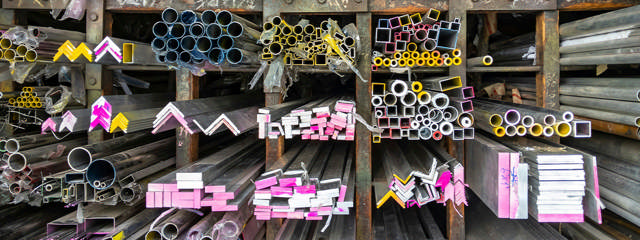
In engineering, manufacturing, and service, a Bill of Materials (BOM) is an essential tool that lists and describes all the components needed for the production, assembly, or repair of products.
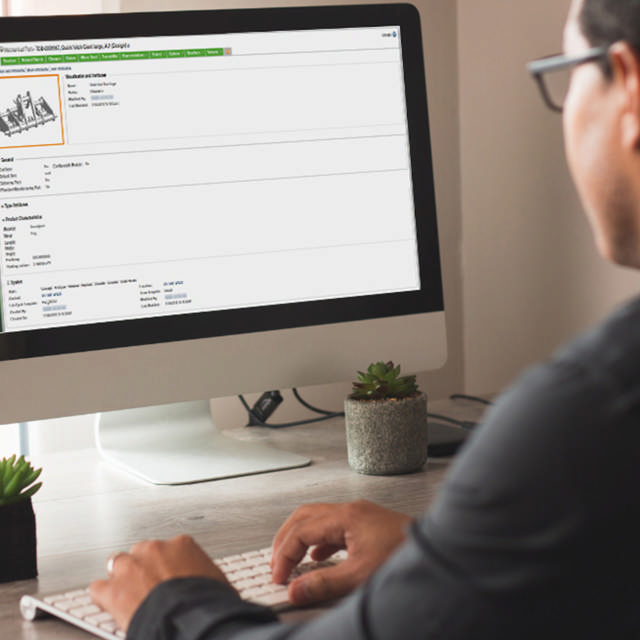
Discover how to manage complex product development by integrating mechanical, electrical, and software designs. Learn how PLM and CAD tools can improve collaboration and reduce errors.
How do you move a product smoothly from design to production?
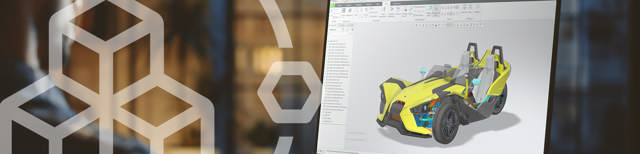
The benefits of modular design.
Ensure you get the right value of your efforts.
Do you know how much time is spent in your company on looking for information? And do you know how often it happens that work is based on the wrong product information?

Balancing today and tomorrow in digital manufacturing
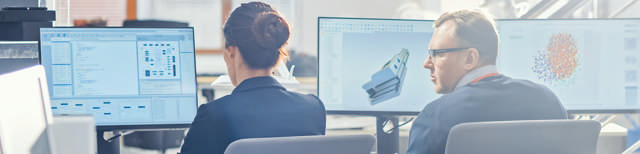
Structural design: A cornerstone of product development

And how to get started.

The challenges facing companies today: Why is PDM alone not enough? Moving from PDM to PLM offers a number of tangible benefits. Find out more in this article!
Does your company use multiple CAD packages across teams and departments? Is there smooth communication between all CAD product designs? How much time does your team spend importing, converting, and correcting CAD files?
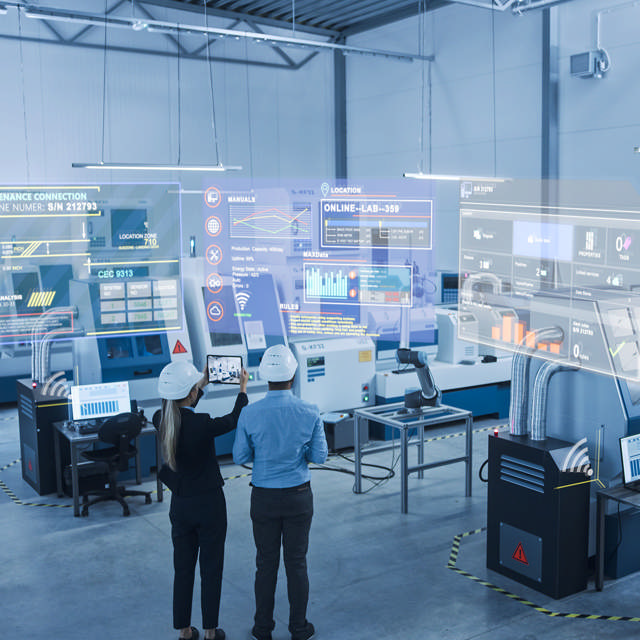
This e-book aims to provide the insights needed to achieve long-term success with Product Lifecycle Management (PLM)
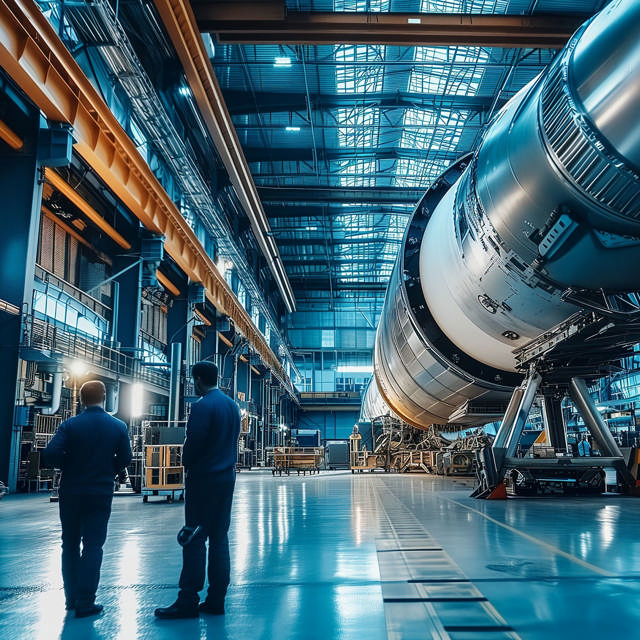
In this e-book, you will learn how an IIoT solution can help your manufacturing department address challenges such as operational efficiency, flexibility, product quality and sustainability

The Golden Triangle of CPQ, PLM, and ERP not only addresses issues related to product configuration and quoting but also drives digital transformation in manufacturing.
For manufacturing companies, both PLM and ERP systems play an important role. However, many companies overlook the benefits they could gain by connecting the two systems and sharing data across the organization’s processes.
Artificial intelligence (AI) is going to affect every aspect of our working life in the coming years within innovation, product development and Product Lifecycle Management (PLM).

Digital business transformation is what we do. Making sure organizations are ready to deliver for the end customer of today and those of tomorrow. Thanks to our industry expertise, we are able to combine speed and quality into your digital transformation journey.