Driving sustainability across the digital common thread
Join us for an exclusive webinar where we explore how sustainability can drive growth, enhance operational efficiency, and integrate seamlessly with your current business processes.
One of the biggest challenges for industrial companies is managing product quality and traceability. That’s why it’s especially important to share product information as a digital common thread throughout the entire organization. With strong integration between ERP and PLM systems, you can guarantee and document flawless traceability throughout the entire value chain—and act quickly where needed.
Collecting and integrating your organization’s data across different business systems ensures that everyone has access to the right information. This prevents the need to enter data in multiple places, reducing the risk of input errors that could compromise traceability.
Flawless traceability of the end product is essential to ensure that products meet quality standards. Traceability is therefore crucial throughout the entire product lifecycle—based on batch numbers, series, versions and revisions, tests, and inspections. With a continuous flow of data and information, it becomes easy to capture and document processes across the entire value chain.
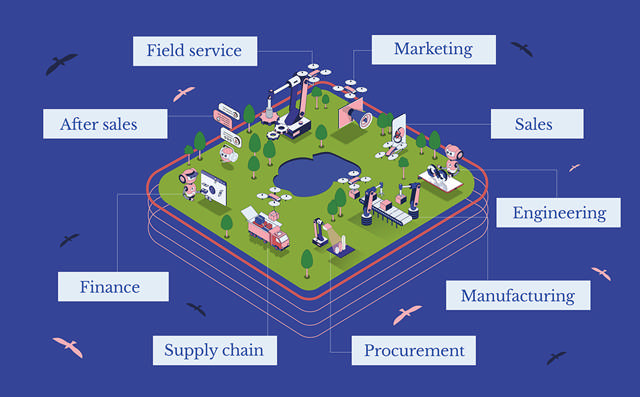
Documentation requirements are increasing, as manufacturing companies must comply with more and more legal, environmental, safety, and general regulations. This impacts the entire value chain—through HR, finance, development, design, procurement, production, service, quality, supply chain, and more. The overall solution is digitalization.
The synergy between PLM and ERP systems ensures compliance—for both the end product and the surrounding processes. Thanks to automation, control, structure, and updates are always linked to up-to-date data that is accessible across all business systems. This enables simple, transparent, and continuous information flows and contributes to a “zero defect” culture in all processes.
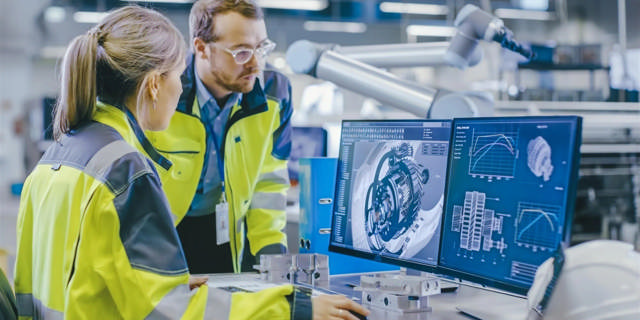
Integrating your CAD solution with your ERP system can be a large task with many obstacles. The downside is that even if you succeed in the integration, it may not be the solution that adds the most value to your organization.
We’ve collected the best insights in one article to ensure your integrations add value across the entire value chain.

Human, technical, organizational, and digital risks are abundant. For manufacturing companies, this requires careful risk management to prevent disruptions to the value chain.
As we’ve seen with a series of health and inflation crises, it's also important in manufacturing to be able to respond quickly to changing conditions and identify new challenges early in order to take the right actions on time.
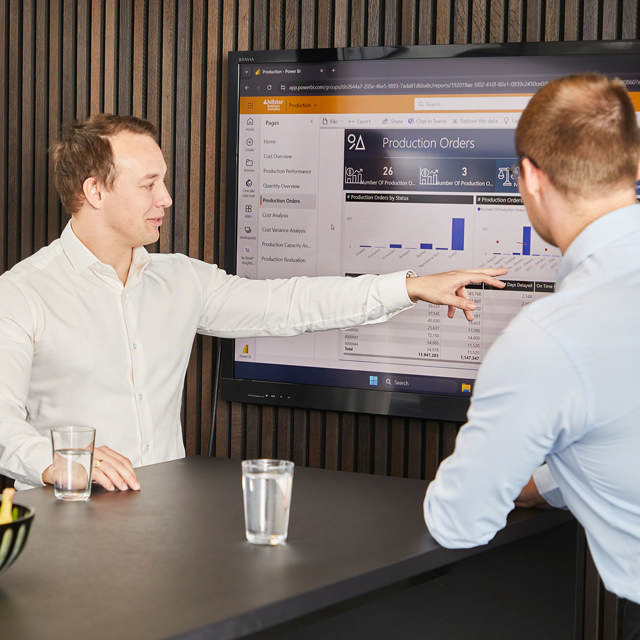
Risk management becomes much more accurate and flexible when data processes are automated. This strengthens business continuity and makes unforeseen challenges visible in advance, so you can make timely adjustments. When you integrate PLM and ERP, this ensures a seamless flow of information through all processes, providing the best possible foundation for consistent quality throughout production.
Digital business transformation is what we do. Making sure organizations are ready to deliver for the end customer of today and those of tomorrow. Thanks to our industry expertise, we are able to combine speed and quality into your digital transformation journey.