By automating key parts of the sales process, CPQ systems cut down on mistakes, boost efficiency, enhance customer satisfaction, and lead to improved business outcomes.
Causes of inefficient processes
Currently, numerous manufacturing companies are struggling with inefficiencies in their processes for configuring, pricing, and producing products in demand. These inefficiencies often trigger a snowball effect throughout the production cycle. Typically, these issues originate from the initial phase where sales representatives directly engage with customers to tailor products to their specifications. During this crucial stage, various problems can emerge:
Errors and miscommunication
Vendors often face challenges in verifying custom configurations. Without access to up-to-date, detailed, and accurate product information, the seller may inadvertently sell configurations that are not practical or cost-effective, which can lead to errors and dissatisfaction for both the production and the customer.
Departments are dependent on each other
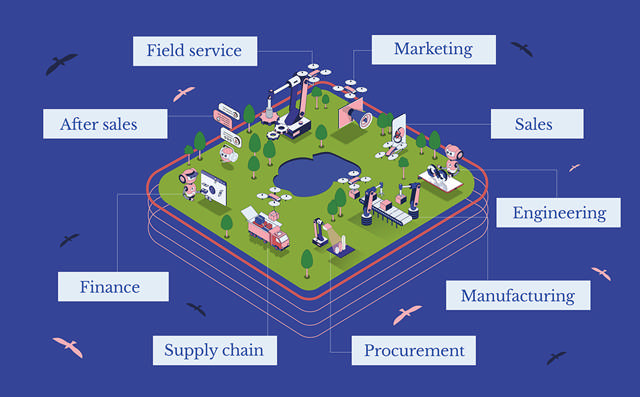
Traditionally, verifying a product's configuration involves multiple departments: sales, design, development, and production. Each one must check if the proposed specifications can be met with current capabilities and resources. This process slows down response times and raises the risk of miscommunication.
Manual data management
Without an integrated system, data management becomes a manual, time-consuming task. Salespeople frequently use outdated spreadsheets to align customer demand with production capacity, a method that is inefficient and not scalable.
Delayed responses and customer frustration
The time it takes to manually check and confirm product configurations can lead to significant delays in responding to customer requests. This frustrates customers and puts your company at a competitive disadvantage - especially in industries where efficiency and accuracy are critical to customer satisfaction.