
Addvolt
Full product lifecycle data management.
The operation of a PLM system in a simple way: it centralizes all the data needed for the design and development of a product (bill of materials, CAD models, production process scheduling, etc.) and makes this information available to all stakeholders in the project. This leads to greater collaboration between different departments, eliminates silos, errors and standardizes product data, among many other advantages.
1. Optimization of engineering work
One of the biggest risks to productivity in manufacturing companies is "reinventing the wheel" with every new product. There's a chance that one product team repeats the same design and development steps as another, unknowingly. By creating a single source for product data, a PLM solution enables resources and knowledge to be consolidated. This means that the engineering department doesn't have to reinvent the wheel every time. This optimizes design phases and allows you to respond to tenders much faster.
2. A clear information architecture
The growth of businesses increasingly depends on the quality of the data available. Usable data is easily accessible and clearly identified. By offering a single source for all the product data of your business, you prevent multi-archiving and multiple versions of a design. This is exactly what PLM enables. At every point in the production chain, different departments have access to the same information.
3. Significant productivity gains
The return on investment (ROI) of PLM solutions can be found in several sources. The most significant factor justifying this investment is undoubtedly the productivity gains that PLM enables. The search for parts and solving technical problems are accelerated so much that software provider PTC estimates that 25% of labor time is saved for a designer using a PLM system. These benefits are also thanks to a more flexible and reliable organization: every department has immediate access to all the information it needs to work and no longer has to wait for a signal from another department within the company. Paradoxically, the consolidation of resources makes each department more autonomous and allows parallel work: everyone moves forward.
4. More consistent product quality
By having a single data repository within your company, you guarantee optimal control over technical processes and solid product quality at the end of the chain. When this database is synchronized with other systems, PLM also enables the automatic transfer of the Bill of Materials (BOM). This happens without manual entry, thus minimizing the risk of human error. Moreover, if you can save a quarter of a designer's work time with a PLM system, this time can be spent on other tasks, such as quality controls.
5. Lower costs
PLM solutions perform a wide range of functions, such as version control and BOM standardization. Another popular feature is design-to-cost. Design-to-cost reverses traditional design logic: you no longer determine the cost after a product is designed, but during the design phase. Thanks to precise knowledge of parts, their prices, and their various uses, you can use PLM to find innovative ways to reduce costs before the final design is completed.
6. Innovative features for everyone
In the past, companies developed PLM solutions that met the needs of large industrial firms, particularly in the automotive and aerospace industries. Today, a PLM system is accessible to a wider range of companies.
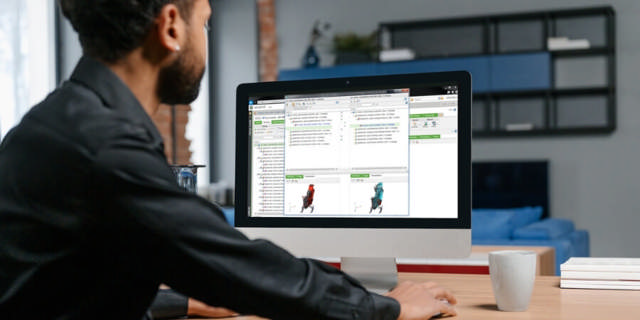
Full product lifecycle data management.
VCST, part of the BMT Group, has been active for 50 years as a gear manufacturer in the automotive industry.

Product Lifecycle Management with Windchill.
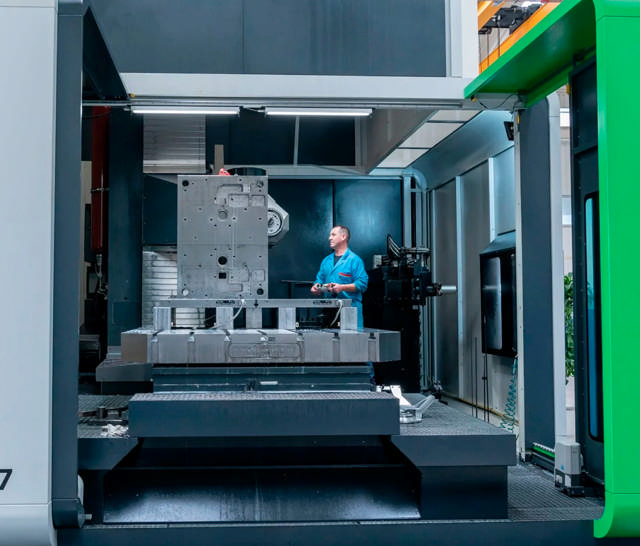
PLM in the moulds industry.
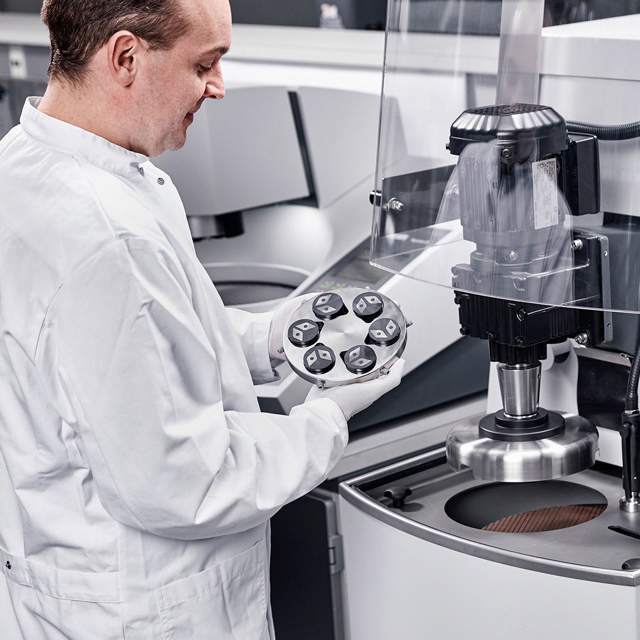
Struers had 3 legacy systems that were over 20 years old. Therefore, they decided to implement Windchill PLM.
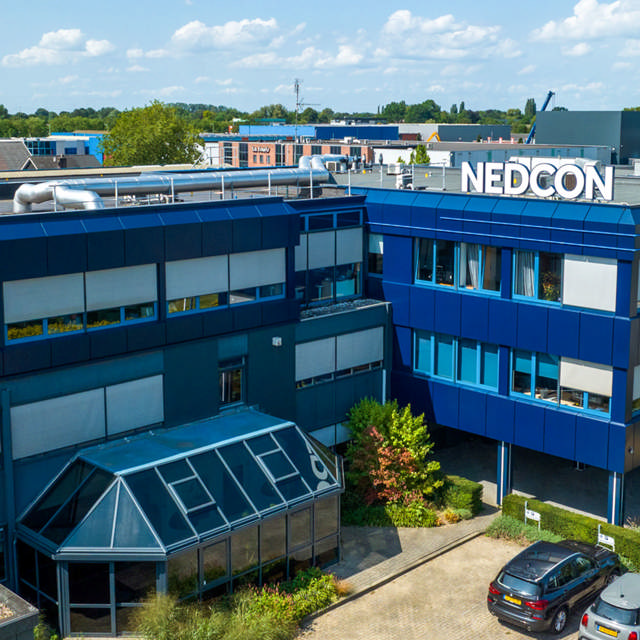
NEDCON is a racking supplier and manufacturer headquartered in the Netherlands.

Revolutionizing Air Service Trucks with PTC ThingWorx
Discover how 9altitudes boosted TOBROCO-GIANT's success in the agriculture and construction sectors. Read the full case study!

Digital business transformation is what we do. Making sure organizations are ready to deliver for the end customer of today and those of tomorrow. Thanks to our industry expertise, we are able to combine speed and quality into your digital transformation journey.