
Field Service newsletter - 2025 autumn edition
We're thrilled to announce the launch of our customer and field service newsletter, bringing together insights from experts, solutions, and knowledge across various countries.
A variant might differ by function, material, size, certification, and even a simple product can generate hundreds of valid combinations. At first, it’s common to handle this manually: one BOM per variant, duplicated CAD files, and a few spreadsheets to keep track. But as the product line grows, so does the risk of inconsistency, errors, and delays.
Variants often share components, yet changes don’t always propagate reliably. Manufacturing teams may not know which configuration is valid. Sales might offer combinations that can’t be built. Engineering ends up duplicating work.
To manage complexity, companies need a structured and modular approach. Starting by organizing the product into standard modules or option sets. Defining configuration rules that govern which combinations are technically valid or market allowed. Embeding these rules into engineering processes and connect them to production and service systems.
Centralizing variant logic ensures consistency and traceability across departments. Instead of reacting to errors late in the process, teams can design and plan with confidence, even when working with hundreds of configurations.
The goal is not to limit flexibility, but to enable controlled customization at scale. With the right structure, variant management becomes a driver of product quality, faster delivery, and competitive differentiation.
Mastering product options and variants isn’t just a technical win, it’s a business enabler, and for that you need the right tools, such as a PLM (Product Lifecycle Management) system. Integrating variant data into a PLM system allows for full traceability, structured change control, and visibility into the impact of any modification across the entire product landscape.
It allows for:
As product complexity and customer expectations continue to rise, companies that can efficiently manage variants will be better positioned to grow globally, respond to market needs faster, and operate more profitably.

We're thrilled to announce the launch of our customer and field service newsletter, bringing together insights from experts, solutions, and knowledge across various countries.
A PLM system let you efficiently handle data related to your product, through its whole lifecycle. Learn more about the impact it can have.
Discover the 6 key benefits of a PLM system for the manufacturing sector, including improved engineering efficiency, better product quality, cost savings, and more.
Discover the differences, similarities, their roles and functionalities and get access to an infographic comparative.
In product development, information is as critical as the product itself.
We’ll explore nine concrete benefits of re-using your designs across product development cycles and how it supports multiple proposes.
The foundation of PLM (Product Lifecycle Management) is in the ability to manage information across the entire product lifecycle as a strategic approach.
Digital Product Passport (DPP) is not just about compliance, starting early can be your competitive advantage
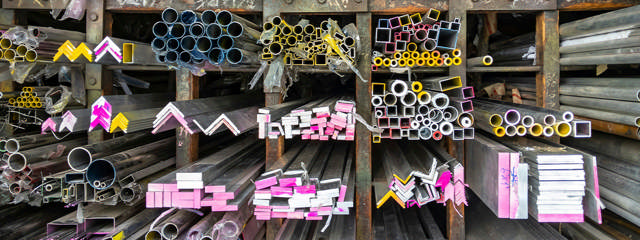
In engineering, manufacturing, and service, a Bill of Materials (BOM) is an essential tool that lists and describes all the components needed for the production, assembly, or repair of products.
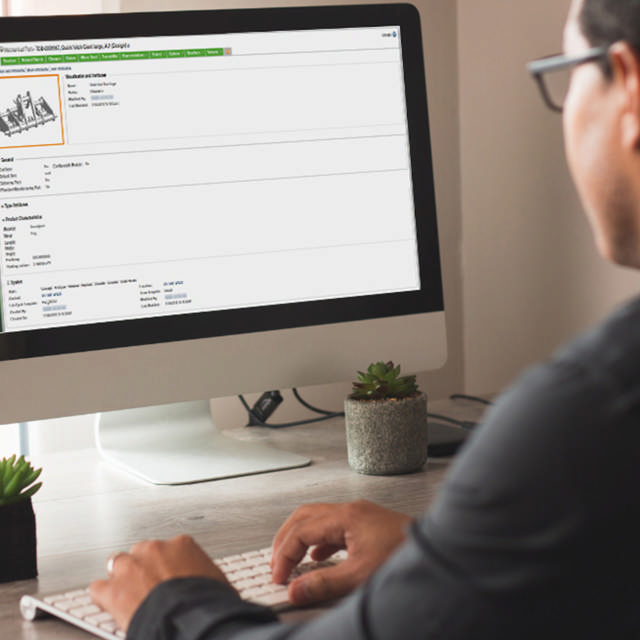
Discover how to manage complex product development by integrating mechanical, electrical, and software designs. Learn how PLM and CAD tools can improve collaboration and reduce errors.
How do you move a product smoothly from design to production?
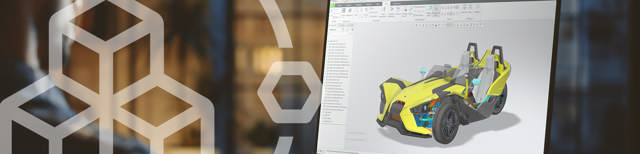
The benefits of modular design.
Ensure you get the right value of your efforts.
Do you know how much time is spent in your company on looking for information? And do you know how often it happens that work is based on the wrong product information?

Balancing today and tomorrow in digital manufacturing

Structural design: A cornerstone of product development

And how to get started.

The challenges facing companies today: Why is PDM alone not enough? Moving from PDM to PLM offers a number of tangible benefits. Find out more in this article!
Does your company use multiple CAD packages across teams and departments? Is there smooth communication between all CAD product designs? How much time does your team spend importing, converting, and correcting CAD files?

This e-book aims to provide the insights needed to achieve long-term success with Product Lifecycle Management (PLM)

In this e-book, you will learn how an IIoT solution can help your manufacturing department address challenges such as operational efficiency, flexibility, product quality and sustainability

The Golden Triangle of CPQ, PLM, and ERP not only addresses issues related to product configuration and quoting but also drives digital transformation in manufacturing.
For manufacturing companies, both PLM and ERP systems play an important role. However, many companies overlook the benefits they could gain by connecting the two systems and sharing data across the organization’s processes.
Artificial intelligence (AI) is going to affect every aspect of our working life in the coming years within innovation, product development and Product Lifecycle Management (PLM).

Digital business transformation is what we do. Making sure organizations are ready to deliver for the end customer of today and those of tomorrow. Thanks to our industry expertise, we are able to combine speed and quality into your digital transformation journey.