Every type of design—mechanical, electrical, or software—plays a crucial role in product development. However, working on these elements individually can lead to misalignment issues. Here are some reasons why combining these designs is essential:
- Consistency across disciplines: Integrating mechanical, electrical, and software designs ensures all aspects of a product align seamlessly.
- More efficient collaboration: By eliminating silos between departments, teams can make quicker decisions and solve technical challenges more effectively.
- Improved quality: Combining different design types in a single environment minimizes errors, such as mismatched versions or components that don’t work together.
Challenges without an integrated approach
Companies lacking a PLM system or alignment between disciplines face various challenges. Managing designs on separate networks or folder structures presents its own difficulties. Here are some key pitfalls:
- Lack of oversight: Managing designs manually often leads to errors, such as files being misplaced in the wrong folders or outdated versions being used. This not only causes confusion but also raises the risk of costly mistakes.
- Difficult version control: Without a centralized system, it becomes nearly impossible to track which version is the most recent and approved.
- Risks when collaborating with external parties: Suppliers and external designers often send updates via email or disconnected systems.This can result in versioning errors or the complete loss of files.
- Inefficiency: Departments waste time searching for the necessary data, leading to production delays.
How PTC Windchill and PTC Creo break down silos
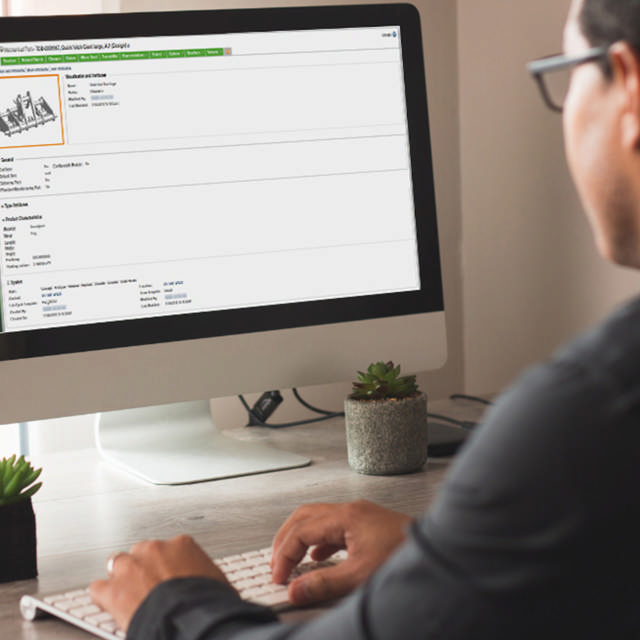
A PLM system like PTC Windchill serves as the central hub for managing all designs and product data. It breaks down silos and provides functionality specifically designed to improve collaboration inside and outside the organization.
1. One single source of truth
With a PLM system, all data is stored centrally. This means that mechanical, electrical, and software designs are accessible in one place for all teams. Centralized management simplifies version control, status updates, and cross-department collaboration.
2. Collaboration with suppliers
PLM systems enable suppliers and external parties to have controlled access to documents. For example, files can be uploaded directly into the PLM system with the appropriate permissions and restrictions. This minimizes errors caused by miscommunication or incorrect file versions.
3. Compatibility between designs
CAD software like Creo Parametric supports multi-CAD functionality, allowing designs from different software tools to integrate seamlessly. This means companies using various tools can collaborate without time-consuming conversion work.
4. Digital traceability
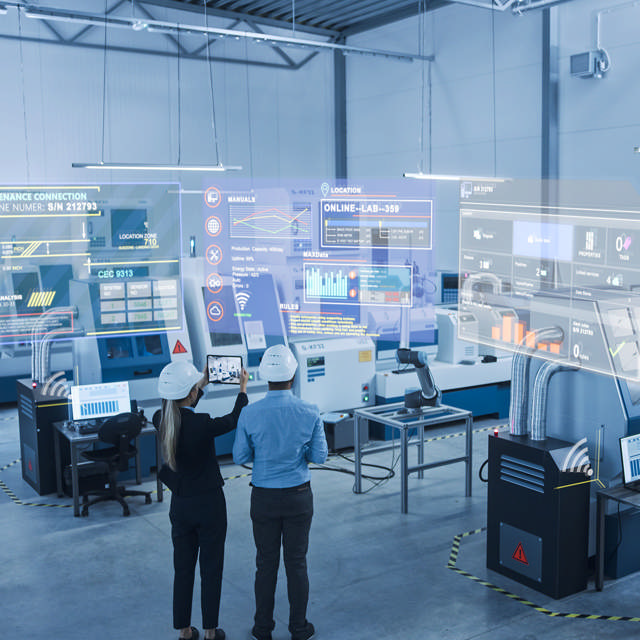
A PLM system allows for the creation of a digital version of the product, known as a "digital twin." This provides insight into how each part of a product is developed, tested, and produced. It enables teams to track changes and quickly revert to previous versions when needed.
5. Effective project execution with stability and speed
What sets Creo apart is its focus on stability and computational speed, especially when managing complex datasets and designs. This ensures that complex designs can be handled smoothly and reliably.