

Microsoft Dynamics NAV
Microsoft Dynamics NAV is a comprehensive ERP solution that helps businesses streamline their processes and improve their performance.
Thisted-Fjerritslev Cementvarefabrik (TCT) had been running Microsoft Dynamics AX since 2006 but increasingly found that AX no longer met the company’s needs.
“If we had stayed on our old AX, we would have needed a lot of custom programming to get functionality that is now standard in today’s ERP systems—such as e-invoicing.”
“If we were to upgrade to AX 2012, it would have been extremely expensive in licensing fees, and we would have ended up with a system that was far too extensive and complex for our needs,” says Karina Bakmann Sørensen, IT Administrator at TCT.
With Microsoft Dynamics NAV, TCT gained a modern ERP platform that meets their exact needs without unnecessary complexity. Standard features such as e-invoicing and scalable modules ensure the system can grow with the business.
9altitudes provided expert guidance throughout the project, helping TCT make strategic decisions, streamline processes, and focus on functionality that delivers real value.
Project-based accounting and time registration now provide full visibility of costs—from raw materials to labor—enabling TCT to follow up on profitability and make informed business decisions.
By switching to NAV, we moved to a standard solution that makes implementation and future upgrades relatively simple and cost-effective

“We chose 9altitudes because we knew them from previous projects and knew they were skilled consultants and reliable advisors. We also knew that Microsoft Dynamics NAV had grown in scope and functionality to match our needs. In addition, NAV has add-on modules that are affordable and easy to implement, both in terms of cost and functionality.”
“By switching to NAV, we moved to a standard solution that makes implementation and future upgrades relatively simple and cost-effective. By choosing 9altitudes, we gained a partner who knows NAV inside and out and whom we trust as advisors. So it was an easy decision,” Karina explains.
Working closely with 9altitudes, TCT carried out a well-prepared implementation.
“We spent a couple of months preparing for the implementation. In September 2017, I started looking into NAV and the data we planned to migrate. In October, 9altitudes conducted workshops. Then the actual implementation began, broken down into functional areas: sales, inventory, finance, assets, production, and more.”
“I appointed a super user for each function, involving them in workshops, tests, and reviews. The super users became highly skilled in NAV and participated in discussions about the changes made during the process. They gathered input from other team members in their departments and contributed to both the ERP system’s development and the company’s growth.”
“In the lead-up to go-live, super users participated in full process flow tests, and together we confirmed that the system was ready for operation. This gave them a clear understanding of the system’s capabilities and any issues that needed review post-go-live.”
“During go-live, I trained our users together with consultants from 9altitudes, ensuring everyone was well-prepared.”
“We have both serial and project-based production. We decided to move the planning of our precast concrete element production, which is project-based, to Impact. Impact is an extension to our AutoCAD system, developed specifically for precast production. This made implementation easier and separated processes into distinct functions. The integration with NAV works well. Our serial production planning continues in NAV.”
“We also decided to start with a basic NAV setup and evaluate additional needs over time. Extra functionality often seems critical during planning but can prove unnecessary in daily operations. So, we chose to evaluate requirements after going live.”
“Additionally, we chose to only migrate master data to NAV, creating a ‘clean cut.’ Historical data can still be accessed in AX. Testing a full data migration is resource-intensive, so we opted to save that time and budget for functionality instead.”
“We went live with Accounts Receivable, Accounts Payable, Finance, Production, and Inventory on January 1, 2018, and all the major processes were fully operational from day one. That means we were up and running after just three months,” says Karina, emphasizing that speed was key to success.
“Many IT projects drag on, draining both employees and budgets. Here, the short timeline kept things manageable for everyone, making it a relatively cost-effective process.”
“Since then, we’ve added more functionality, such as JobManager, where all hourly workers and some salaried employees now log time—including those on-site, as well as drivers and installers. We also moved our project cases from order-based records to full project accounting. This has significantly improved our ability to track costs on projects—from raw materials used in production to time spent on each job.”
“Our management team made bold decisions that simplified and streamlined the process. They also dedicated sufficient resources—both in IT and across the company. This ensured that the project was embedded throughout the organization, with everyone taking ownership.”
“And beyond that, we’ve been very happy with 9altitudes. They were involved in every step of the process—from planning and implementation to advising management on project budgeting,” concludes Karina Bakmann Sørensen, IT Administrator at TCT A/S.
Microsoft Dynamics NAV is a comprehensive ERP solution that helps businesses streamline their processes and improve their performance.
Thisted-Fjerritslev Cementvarefabrik A/S (TCT) has been a supplier to the Danish construction industry since 1945. The company has continuously developed its product range and delivers a wide variety of concrete products, primarily for residential and industrial buildings, agricultural construction, and contractors.
As part of a generational transition, JC Løkkes Maskinfabrik faced the need for a new digital foundation. With Dynamics 365 Business Central and 9altitudes as its implementation partner, the company has achieved greater structure, visibility and coherence

By integrating Power BI and Power Apps with their existing CRM solution, Rynkeby has created a platform that provides increased insights into sales across a wide range of stores and retailers.
TenCate Grass is a global player in the artificial grass business with production and installation locations in Europe, the Middle and Far East and the US.
Full product lifecycle data management.
BeGC har optimeret deres produktudvikling og designprocesser med PTC Creo og støtte fra 9altitudes. Samarbejdet har gjort virksomheden mere fleksibel, effektiv og klar til fremtidens krav til digital produktudvikling.
Daiichi Electronics Achieves Success in ASPICE and Safety Standards with PTC’s Codebeamer ALM Solution
Locinox is a leading player in the gate and fencing industry. Due to the company's growth, they needed a future-proof IT architecture.

Better collaboration and document management in the digital workplace
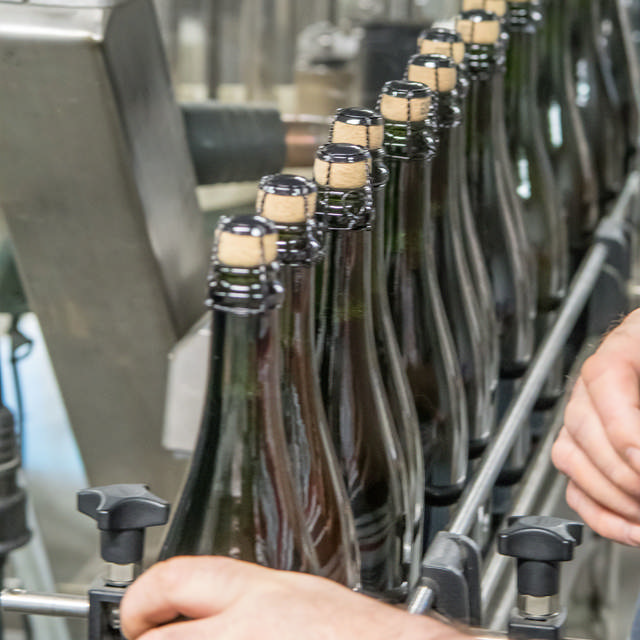
Amab, a social enterprise, specializes in repackaging, electrical assembly, and circular initiatives.
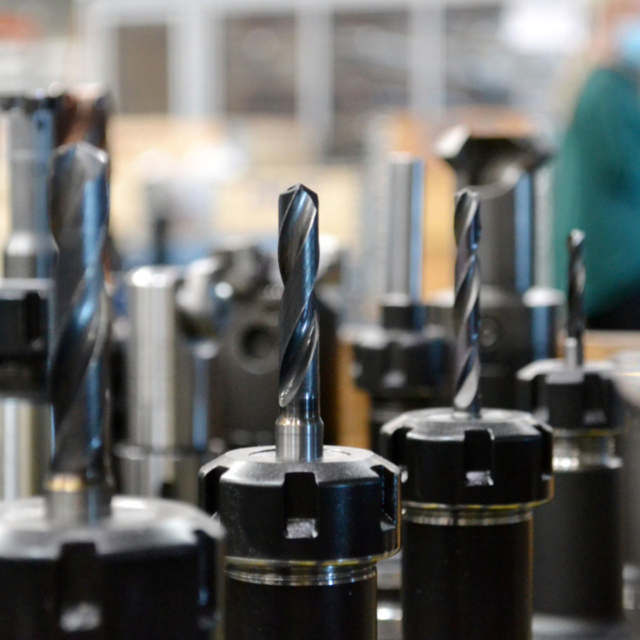
Read how BJ-Gear has transformed its business with a new ERP solution. The new system has enabled BJ-Gear to digitalize and automate its operations to a much greater extent.

Digital business transformation is what we do. Making sure organizations are ready to deliver for the end customer of today and those of tomorrow. Thanks to our industry expertise, we are able to combine speed and quality into your digital transformation journey.