A rich flow of data
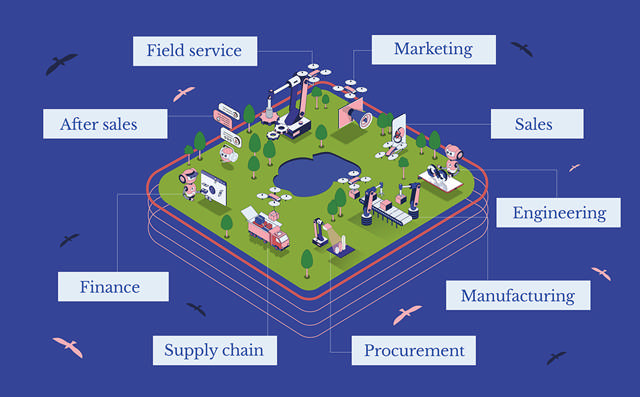
Integrating PLM and ERP enables consistent data across the entire organization and provides transparency for all stakeholders. Clear ownership and always up-to-date information give you full control over the product lifecycle—from development to production.
PLM is the natural foundation for a wide range of product data and processes, serving as a central source of information in manufacturing organizations. ERP, on the other hand, manages production, warehousing, logistics, and finance. You could say PLM defines the product data that ERP processes—creating optimal conditions for a smooth production and logistics flow.
Save time and effort
PLM and ERP integration automates the updating, transfer, and access to real-time data. The same information is shared throughout the organization, ensuring it’s always current for everyone. This clarity highlights where improvements are needed.
By entering data only once, you reduce the risk of human error and free up time for more value-added tasks. The time saved through automation can then be used to engage stakeholders and contribute to project success.
Breaking down traditional data silos and enabling access ensures that employees have the necessary rights to contribute to shared projects.
Cut production costs
With reliable data from automated PLM and ERP processes, it’s much easier to respond to external factors like raw material or component shortages. You can optimize flows more easily, for example by switching suppliers.
In fact, integrating PLM and ERP facilitates the flow of data and documents between different product development stages. For instance, showing stock levels to designers helps speed up information transfer to production.
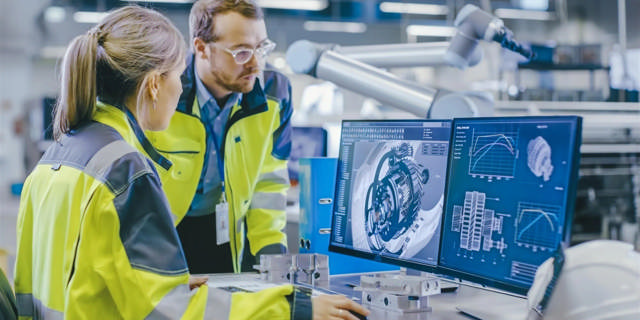
The real-time interaction between engineering and production enables better planning and faster time to market. As part of the integration, it’s also smart to collect time and resource consumption data to support business KPIs.