The DPP will cover:
- Material composition
- Recycled content
- Carbon footprint
- Repairability and recyclability scores
- End-of-life instructions
All this information must be machine-readable and accessible throughout the product’s lifecycle.
Why this matters upstream
Even if you're not the final producer, you'll likely need to provide verified data. ESPR extends sustainability responsibilities to all suppliers, which means:
- Ensuring traceability of parts and materials
- Measuring environmental impacts of processes
- Backing claims with accurate data
The opportunity for SMEs
In a world that values strategic autonomy and resilient local sourcing, SMEs that can:
- Demonstrate the origin and sustainability of materials
- Share data digitally and promptly
- Showcase lower-impact design or production
...will move from being optional suppliers to strategic partners.
Building a digital common thread: Your backbone for DPP readiness
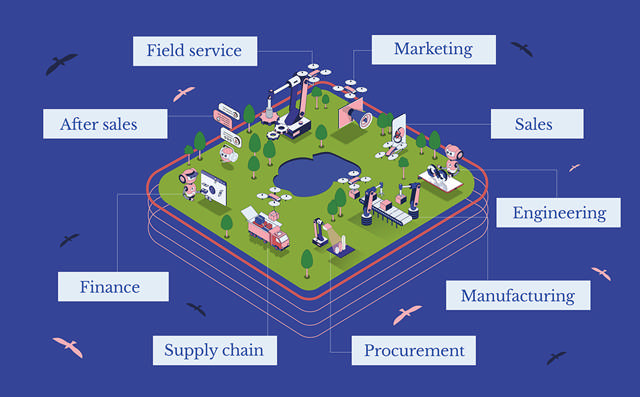
To meet DPP expectations, companies need to establish a digital common thread—a connected data infrastructure linking design, production, sourcing, and compliance. This digital common thread should:
- Capture key product and process data at every stage
- Connect ERP, PLM, MES, and sustainability tracking systems
- Enable automated updates to DPP fields as product designs or supplier inputs change
Getting started: practical first steps
- Map your data flow: Identify where key DPP-relevant data is (or isn’t) captured—from material sourcing to repair instructions.
- Clean and structure your data: Ensure material, emissions, and lifecycle information can be extracted and reused.
- Collaborate with suppliers: Standardize incoming data formats—especially for substances of concern (SOCs), including persistent organic pollutants (POPs), which are increasingly regulated under the 2025 EU framework. Companies will need to identify, track, and report the presence of such materials as part of the Digital Product Passport. This means establishing structured data-sharing routines and ensuring suppliers provide accurate, up-to-date information.
- Pilot your DPP readiness: Choose one product to create a simulated digital product passport and identify system gaps.
- Use your DPP data commercially: Integrate traceability and sustainability metrics into quotes and marketing collateral.
DPP is not just regulation—it’s strategy
Think of the Digital Product Passport as a next-gen product label:
It supports compliance, yes. But it also shows buyers, regulators, and customers that your product is credible, traceable, and future-ready.
Companies that adopt digital threads and build DPP capability will:
- Reduce administrative and audit burdens
- Unlock new procurement opportunities
- Future-proof their product lines