
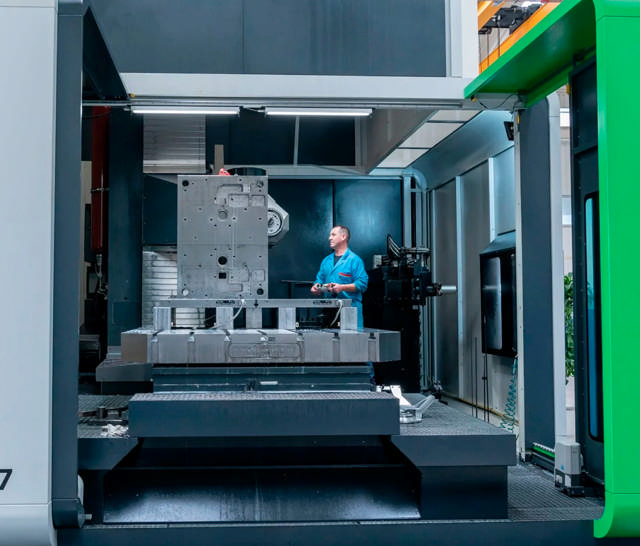
Imodrill
PLM in the moulds industry.
One thing is starting to consider whether a PLM solution is the right decision for your company. Another is actually getting started with the process. We've created a step-by-step guide covering the key things you need to keep in mind on your PLM journey.
Before diving into a PLM system, it's essential to understand your company’s unique needs. Identify your current challenges and inefficiencies in your processes.
Are there frequent errors in product data? Is communication between departments lacking? Mapping out these pain points will help you define the specific needs a PLM system should address, ensuring you choose a solution tailored to your requirements.
Consider how much you want to achieve with your PLM system. Are you looking to overhaul your entire process, or will you begin with a few key areas and plan to expand over time?
We recommend thinking of it as a journey: Start at basecamp and build a strong, solid foundation. Gradually, you can include more features. This approach allows for scalable growth, making it easier to manage change and measure progress.
Your employees are the backbone of any new system implementation. Are they prepared for the transition? Have they been informed about why these changes are necessary?
Clear communication about the benefits and objectives of the PLM system is crucial. Involve your team early, explain the reasons behind the changes, and provide reassurance about how the new system will make their work more efficient.
A PLM system should support and enhance your existing processes. Whether these processes are driven by regulatory requirements or internal efficiency goals, it's essential to understand and document them.
Identify how work is currently handed over between colleagues and departments. Ensuring that the PLM system is aligned with and improves these workflows will help you maximize its impact.
Selecting the right PLM technology and partner is crucial. The technology should align with your processes, support your team, and meet your overall goals. It's not about buying the latest software – it's about choosing a solution that fits your specific needs.
Evaluate options like Windchill and consider how well they integrate with your existing systems and future ambitions.
Consider whether a cloud-based or on-premise solution is the best fit for your business. Some industries require on-premise solutions due to data security regulations, while others can benefit from the flexibility of the cloud.
Assess your industry requirements, data sensitivity, and overall need for flexibility. Choosing the right platform will ensure effective support for your operational and compliance needs.
Implementing a PLM system requires a well-structured project plan. Define clear phases and determine the order of implementation. Identify the right people to lead and manage the project, and ensure they have the necessary authority and resources.
Prioritize tasks to ensure a smooth and efficient rollout while minimizing disruption to ongoing operations.
Training is a critical component of a successful PLM implementation. Ensure your team is well-trained in the new system and understands how to use it effectively. Provide ongoing training and support to help employees adapt and fully leverage the capabilities of the PLM system. This investment in training will pay off in increased productivity and system utilization.
After the initial implementation, it’s important to plan for ongoing support and future development. Identify who will be responsible for maintaining and expanding the PLM system. Regularly review and assess the system’s performance, making adjustments as needed to meet changing business needs.
Continuous improvement and support will ensure that the PLM system remains a valuable asset for your organization.
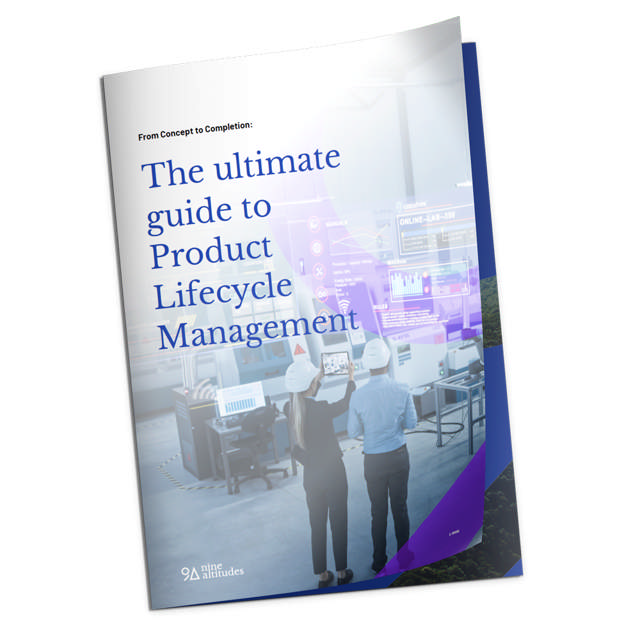
The whitepaper provides a practical approach, explaining the fundamentals of what PLM is, the challenges it can solve, the opportunities it offers, and how to get your board to approve an investment in PLM.
Technology, functionality, innovation. There are a lot of buzzwords around a PLM solution, but at the end of the day, it is the people who really make the difference. Therefore, when looking for a new PLM solution you should also consider the human aspect. Which organization did you really connect with, and who can you see yourself partnering with in the long run? Choose a partner that understands your business and can help you realize your future goals.
PLM in the moulds industry.
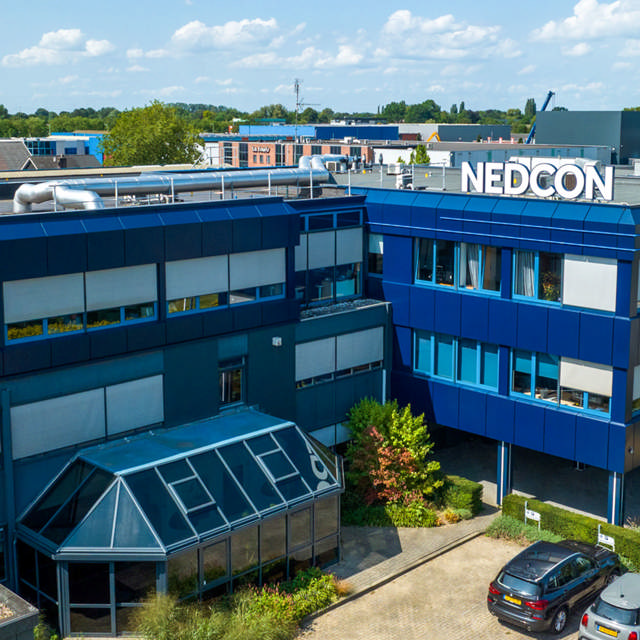
NEDCON is a racking supplier and manufacturer headquartered in the Netherlands.

Product Lifecycle Management with Windchill.

Struers had 3 legacy systems that were over 20 years old. Therefore, they decided to implement Windchill PLM.
VCST, part of the BMT Group, has been active for 50 years as a gear manufacturer in the automotive industry.

Revolutionizing Air Service Trucks with PTC ThingWorx
Discover how 9altitudes boosted TOBROCO-GIANT's success in the agriculture and construction sectors. Read the full case study!
Full product lifecycle data management.

Digital business transformation is what we do. Making sure organizations are ready to deliver for the end customer of today and those of tomorrow. Thanks to our industry expertise, we are able to combine speed and quality into your digital transformation journey.
We are ready to guide you, and help you realize your goals.