
OLI
Product Lifecycle Management with Windchill.
Sustainability pressures, accelerating innovation and transformative technologies such as AI and IOT are pushing traditional product data management (PDM) methods to their limits. To meet these challenges, companies are turning to Product Lifecycle Management (PLM) - a powerful solution that integrates and streamlines product management from concept to withdrawal.

PDM (Product Data Management) : A data management system focused primarily on the organisation and management of design files (3D, 2D).
PLM (Product Lifecycle Management) : Collaborative solution covering all stages of a product's lifecycle, from design to manufacture and maintenance.
Whereas PDM focuses primarily on managing design data, PLM unifies all the information associated with a product, facilitating collaboration between the various departments in the organisation.
Today's businesses are subject to increasing demands and pressures:
These realities highlight the limitations of PDM: without a unified view and a collaborative tool, it becomes difficult to adapt quickly to change, meet sustainability requirements and share critical information effectively across the organisation.
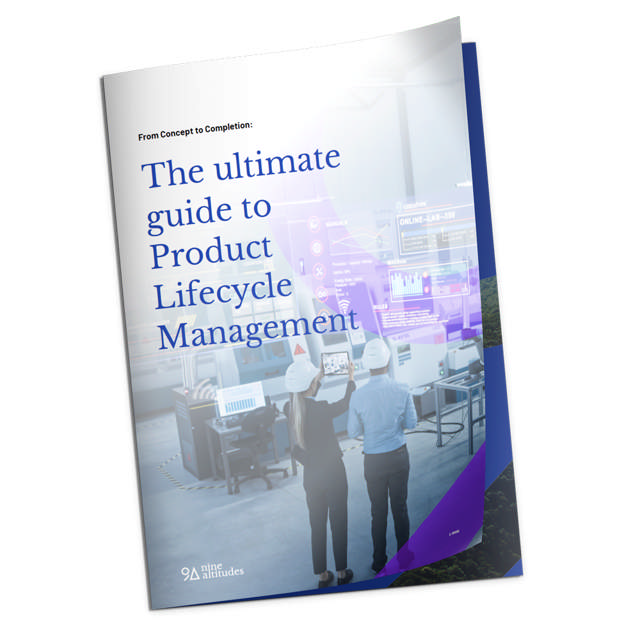
This e-book is designed to equip you with the insights needed to ensure the long-term success of Product Lifecycle Management (PLM) in your organization. As PLM systems have become a cornerstone of modern manufacturing, the guide takes a practical approach—explaining what PLM is, the challenges it addresses, its core capabilities, and how to build a compelling case to secure executive buy-in for PLM investment.
Moving from PDM to PLM offers a number of tangible benefits:
PLM enables continuous collaboration between departments (engineering, procurement, manufacturing, after-sales, etc.) and centralises all product information. For example, 3D designs are directly linked to manufacturing requirements, marketing catalogues and service specifications, ensuring that all departments have access to the latest data. Data can even be presented differently for different people, giving them access to the part of product data that creates value in their role.
With PLM, there's no longer any need to manage files scattered across several folders or risk working with obsolete versions. Every member of the team can access the latest information without having to export files, which reduces errors and misunderstandings.
While many companies still switch from 3D to 2D for communication purposes, PLM enables direct 3D visualisation, making it easier to understand and reducing communication risks.
Updates to a PLM system are automatically shared with stakeholders. For example, a change to the design is instantly communicated to all the team members concerned, helping to avoid errors linked to obsolete versions.
A PLM system simplifies the management of product variants (different versions of components or software) and ensures complete traceability of the parts used, which is essential for maintenance and warranty services. By making product data for older designs available in a structured way, it becomes possible, for example, for service technicians to search for potential spare parts when servicing older product versions.
By integrating product information into a PLM system like Windchill, companies can ensure that essential data is not lost when employees leave the company. PLM becomes a knowledge base that enables essential expertise to be retained within the organisation.
PLM enables companies to streamline the production and launch of new products. Automating workflows (linking with ERP, configuring products, preparing technical manuals) optimises time management and reduces production delays.
Many customers who have adopted Windchill PTC PLM have seen a reduction in time-to-market for their products and an improvement in the quality of information within their teams.
For example, a machine manufacturing company such as Struers has used PLM to link all the components of its products to technical specifications and ensure that spare parts meet standards, even for products that have been in use for several years.
Product Lifecycle Management with Windchill.

Learn how to manage the growing amount of product data in manufacturing. Discover smart strategies to improve efficiency, reduce errors, and unlock opportunities.

Product development have a huge impact on your organization. Let us help you, with the right software and the right guidance.
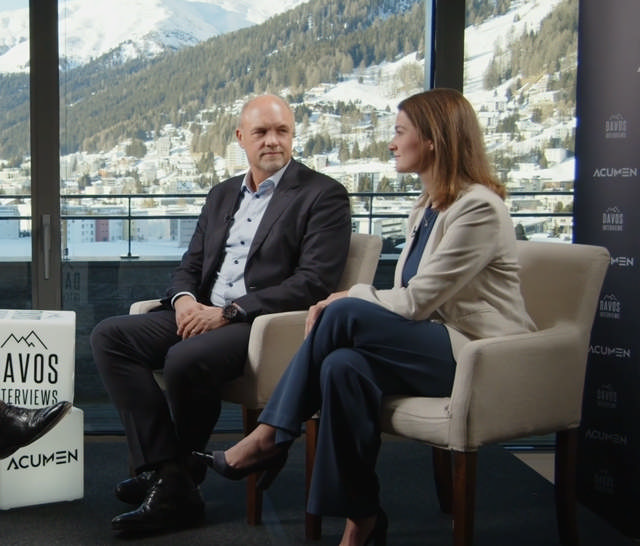
How partnerships and technology unlock success
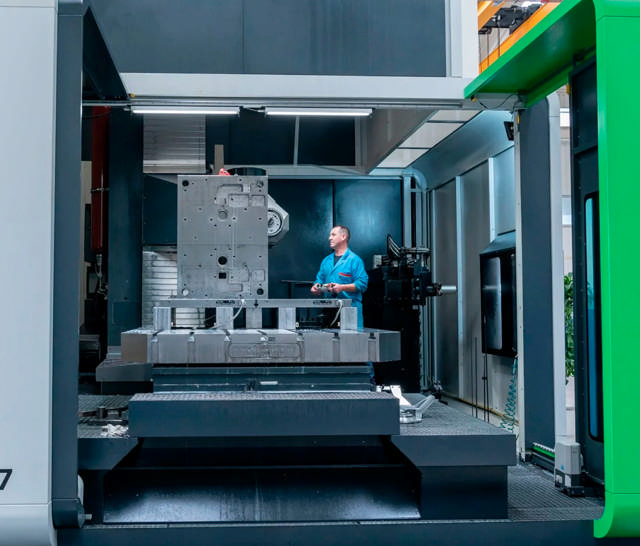
PLM in the moulds industry.
%2FMastering+efficiency.png&width=640&format=webp)
Staying competitive requires more than just keeping up with the latest technologies. It demands a deep understanding of your operational processes and the ability to optimize them continuously.
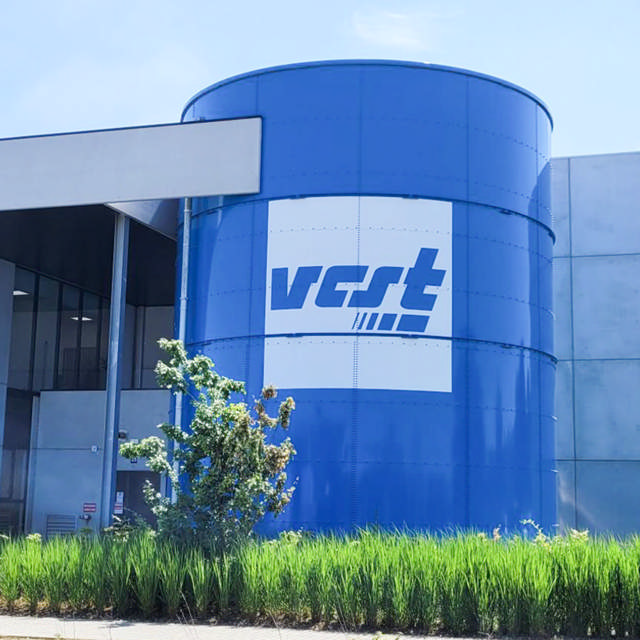
VCST, part of the BMT Group, has been active for 50 years as a gear manufacturer in the automotive industry.

Structural design: A cornerstone of product development

... and how to get started.
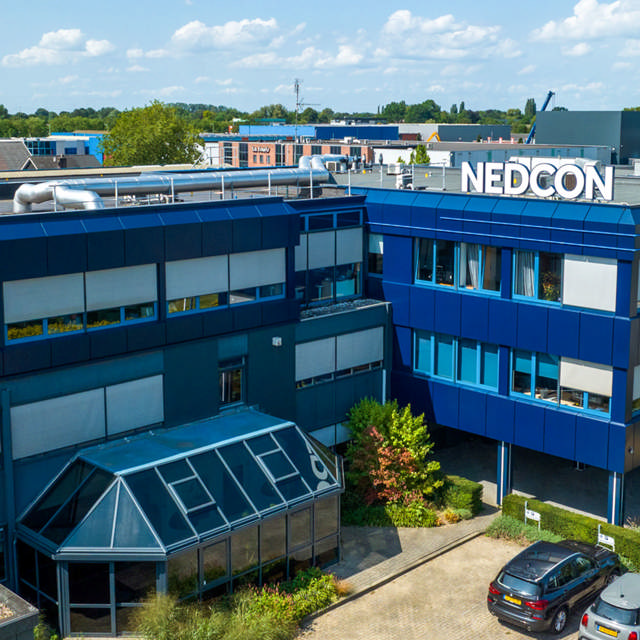
NEDCON is a racking supplier and manufacturer headquartered in the Netherlands.

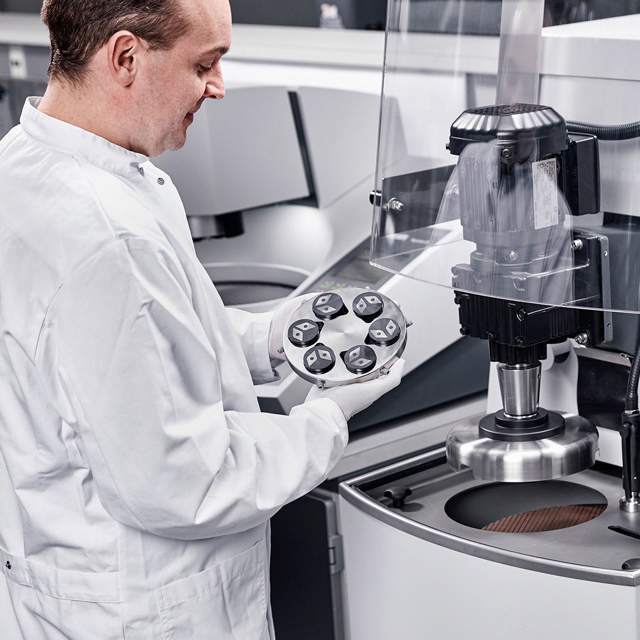
Struers had 3 legacy systems that were over 20 years old. Therefore, they decided to implement Windchill PLM.

Revolutionizing Air Service Trucks with PTC ThingWorx
How do you move a product smoothly from design to production?

Digital business transformation is what we do. Making sure organizations are ready to deliver for the end customer of today and those of tomorrow. Thanks to our industry expertise, we are able to combine speed and quality into your digital transformation journey.