
The data story behind sustainability
Together, digital maturity and connected data empower organizations to embed sustainability into engineering, manufacturing and supply chains
In recent months, especially during my time in a previous role, I kept seeing the same pattern at trade shows, events, and in customer conversations: Microsoft Fabric gets people excited, but it also raises a lot of questions.
Many organizations are interested but hold back from making the jump from their familiar Azure data and analytics setup to this new all-in-one platform. And honestly? That hesitation is often entirely reasonable.
This is one of the most common reactions I hear: organizations have only just gotten their Azure data stack in good shape. Power BI reports are up and running, the business is happy, and there's no urgent need to change things.
Another thing I often notice is that internal knowledge of Fabric is still limited. New concepts, new terminology, new ways of working all take time and effort, and that space isn’t always there.
Even when there is room to explore, the learning curve can be tough. That early excitement can quickly turn into frustration, and pilot projects often lose momentum.
The strength of Microsoft Fabric isn’t just in how it brings together data, analytics, and governance in one platform. What really sets it apart is how naturally it connects with AI and machine learning.
Microsoft is pouring serious investment into AI, and Fabric sits right at the center of it. Think of the integration with Copilot, which brings AI-driven analysis and insights straight into your data environment. Or the ability to build custom AI models using your own reliable data.
AI isn’t some far-off promise anymore. It’s here, and it’s already making an impact.
Organizations that choose an AI-ready platform today are gaining a real advantage.
Not just by automating manual tasks or boosting efficiency, but by unlocking smarter forecasting and decision-making.
Whether it’s demand planning, risk modeling, churn prediction or forecasting, AI is what helps shift from reacting to actively shaping strategy.
You don’t need a fully trained AI model tomorrow. That’s just not realistic.
Building an AI model is a step-by-step process. You start small, learn from your data and your organization, and gradually shape a model that actually delivers value.
By starting now with a platform like Fabric, you're laying the groundwork.
You try things out, you learn as you go, and within a year you could already have an AI model that makes a real difference.
One thing is becoming clear in 2025: if you want to stay relevant and competitive, AI can’t be an afterthought.
I get it, not every organization has a full data team ready to set up Fabric from scratch. And that’s exactly where 9A Smart Insights comes in.
With our end-to-end solution, Microsoft Dynamics ERP and CRM users can get started in Fabric within days and immediately see results in Power BI.
No complex architecture. No long implementation. Just a ready-to-use, scalable solution that grows in step with Microsoft’s roadmap.
With 9A Smart Insights as your foundation, you’re ready to start using AI right away. Together, we build and train models that help your organization work more efficiently and make smarter predictions.
That’s how you turn data into a real strategic asset, without having to start from zero.
Choosing Microsoft Fabric isn’t just about changing your tech stack. It’s a strategic decision that prepares your organization for a future where AI plays a central role.
Wait too long, and you risk falling behind. Take the step now, and you’ll be building an organization that’s ready for whatever tomorrow brings.
Together, digital maturity and connected data empower organizations to embed sustainability into engineering, manufacturing and supply chains
A burden or untapped advantage?
Digital Product Passports are redefining transparency by connecting lifecycle data across products and partners.
Real impact with Tulip and IoT
Sustainability extends beyond the factory through service, sales and long-lifecycle customer interactions.
Sustainability is no longer a constraint but a deliberate strategic decision that shapes innovation speed and competitiveness.
Together, Van Dorp and 9altitudes show that sustainability and business success can go hand in hand

By integrating Power BI and Power Apps with their existing CRM solution, Rynkeby has created a platform that provides increased insights into sales across a wide range of stores and retailers.
If your company has implemented Microsoft Dynamics 365 Finance & Operations, chances are you’re already seeing the benefits of a modern ERP platform.
If you're already working in Dynamics 365 Business Central, you're probably familiar with the standard views and role centers such as Finance Manager, Purchasing Agent, or Warehouse Manager.
Collecting data is one thing. But what you do with the data is imperative for the value they bring.
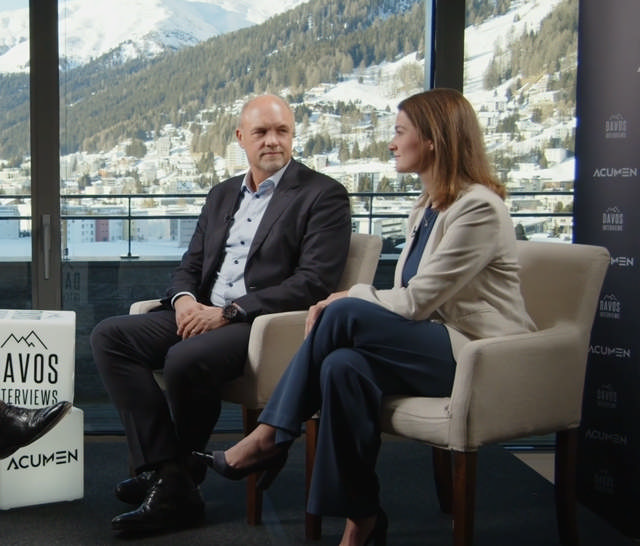
How partnerships and technology unlock success
You can't just pull data from Dynamics to Power BI. You have to deal with your cloud environment, take other sources into account, and more. We are ready to guide you and make it easier.

With increasing awareness of environmental challenges and social responsibilities, stakeholders now expect manufacturers to minimize their environmental impact, foster ethical working conditions, and contribute positively to society.

Digital business transformation is what we do. Making sure organizations are ready to deliver for the end customer of today and those of tomorrow. Thanks to our industry expertise, we are able to combine speed and quality into your digital transformation journey.